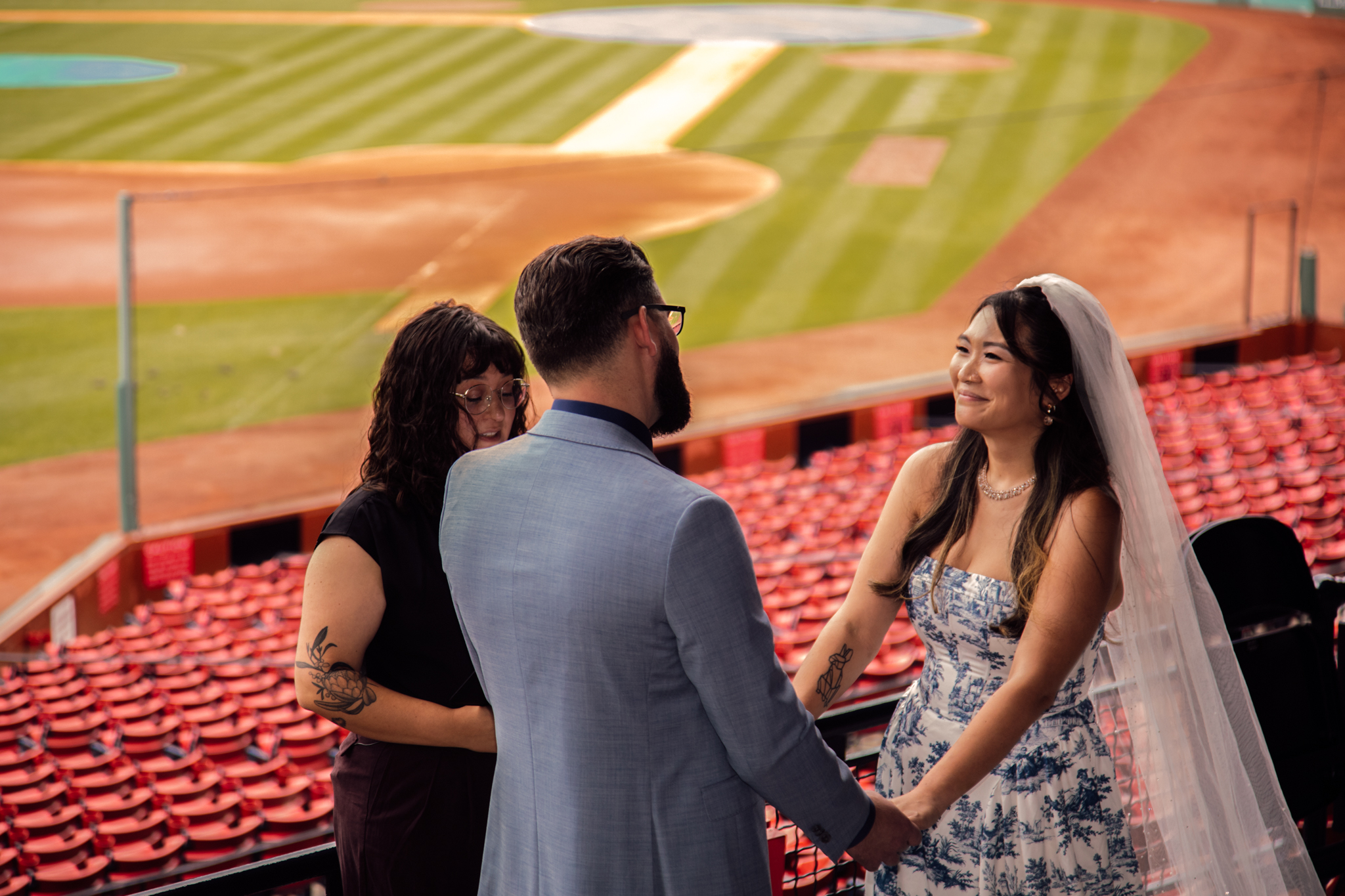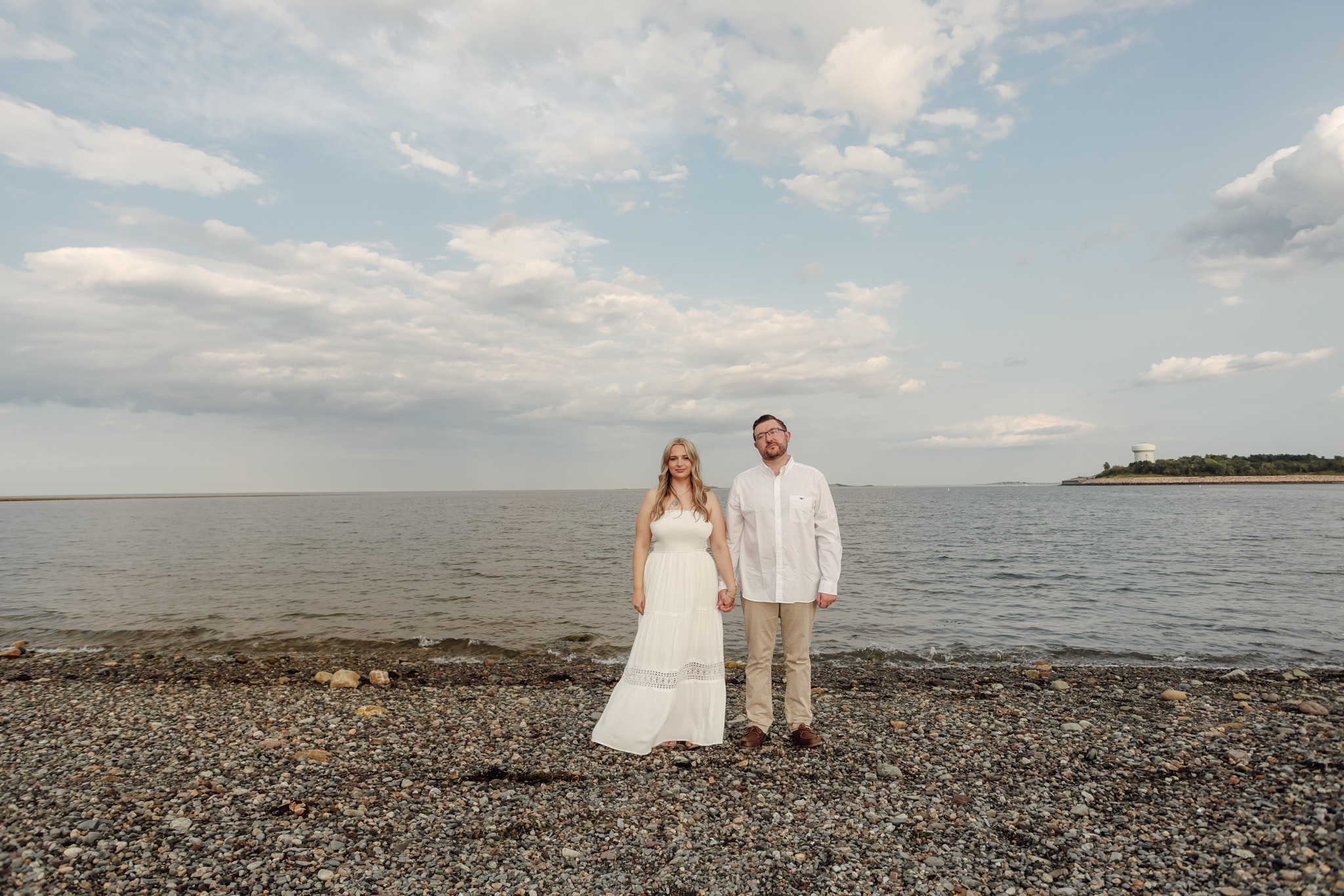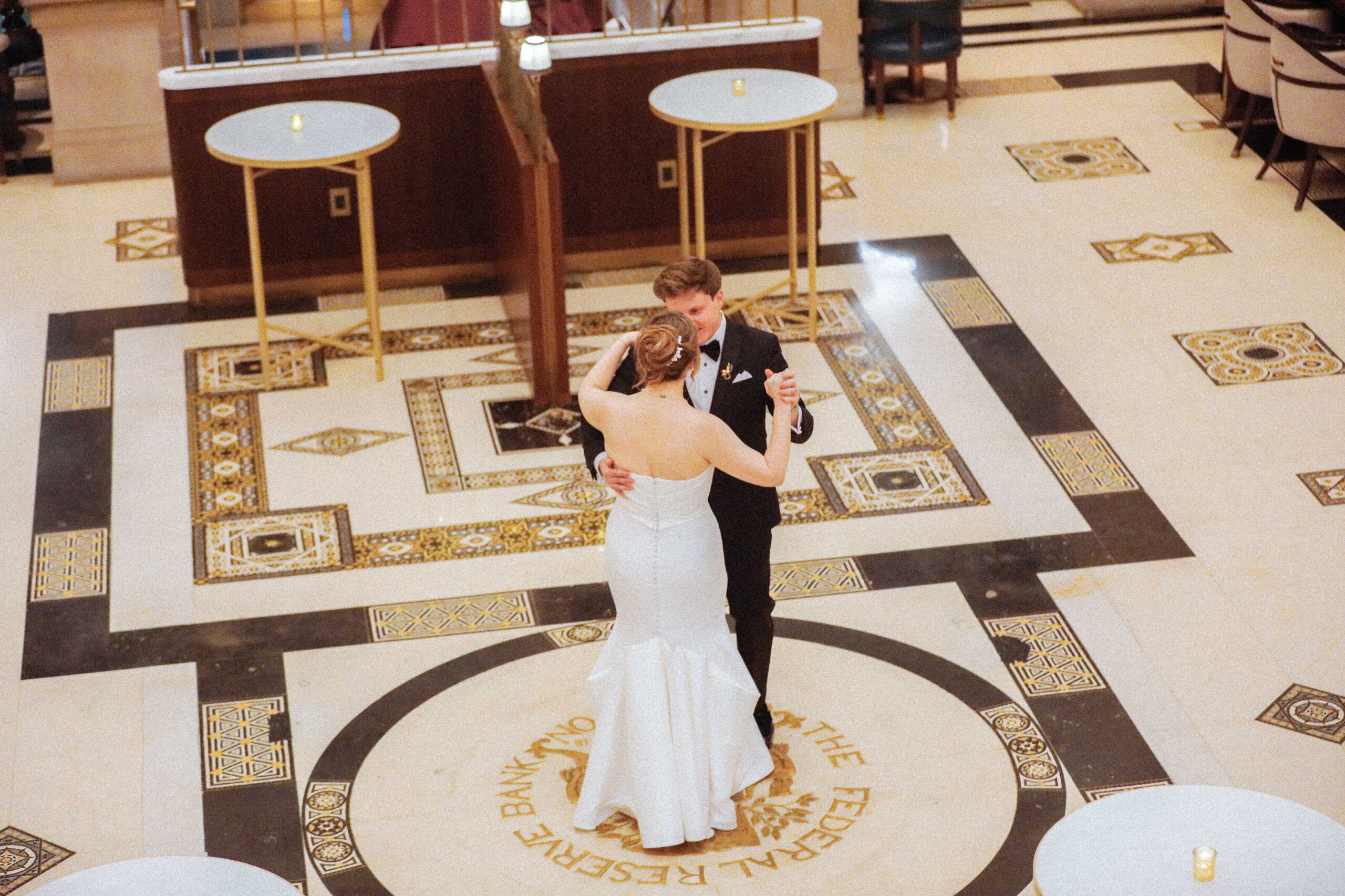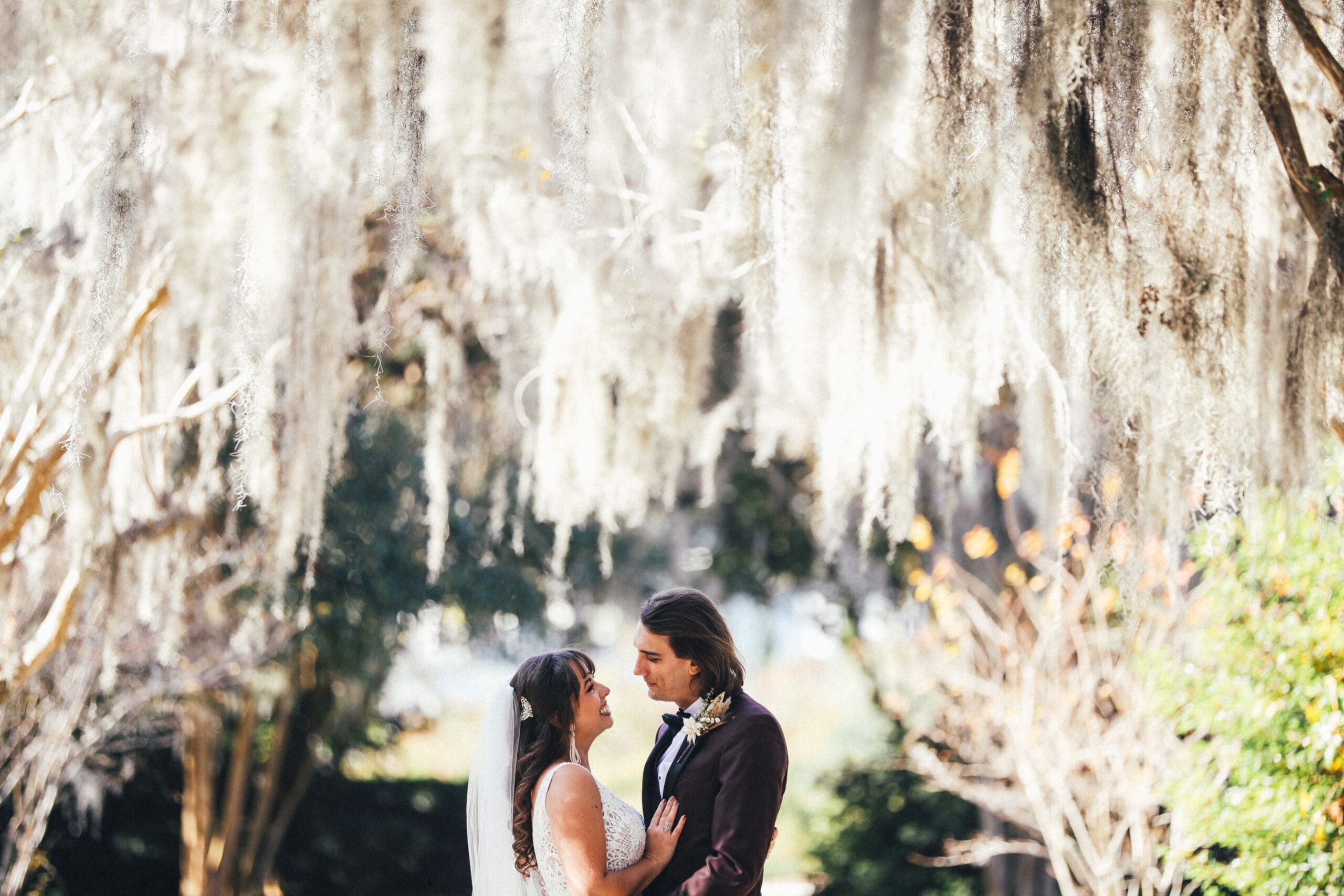
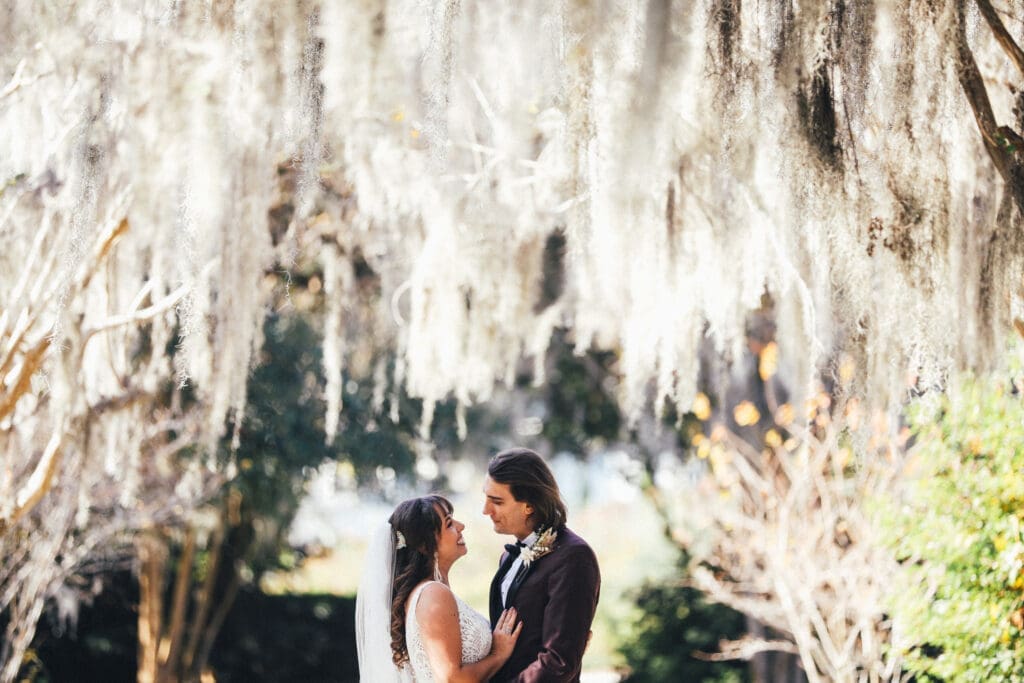
Your wedding photographs will outlast the flowers, the cake, and the venue. Long after the day is over, they are the only thing that takes you back — really takes you back — to how everything felt. Which means choosing the right photographer isn’t a vendor decision. It’s one of the most important creative decisions of your entire wedding.
If you’re planning a wedding in Boston, Cape Cod, Martha’s Vineyard, Nantucket, Newport, the Berkshires, the Hamptons, Hudson Valley, or anywhere across New England and the Northeast — this guide is for you.
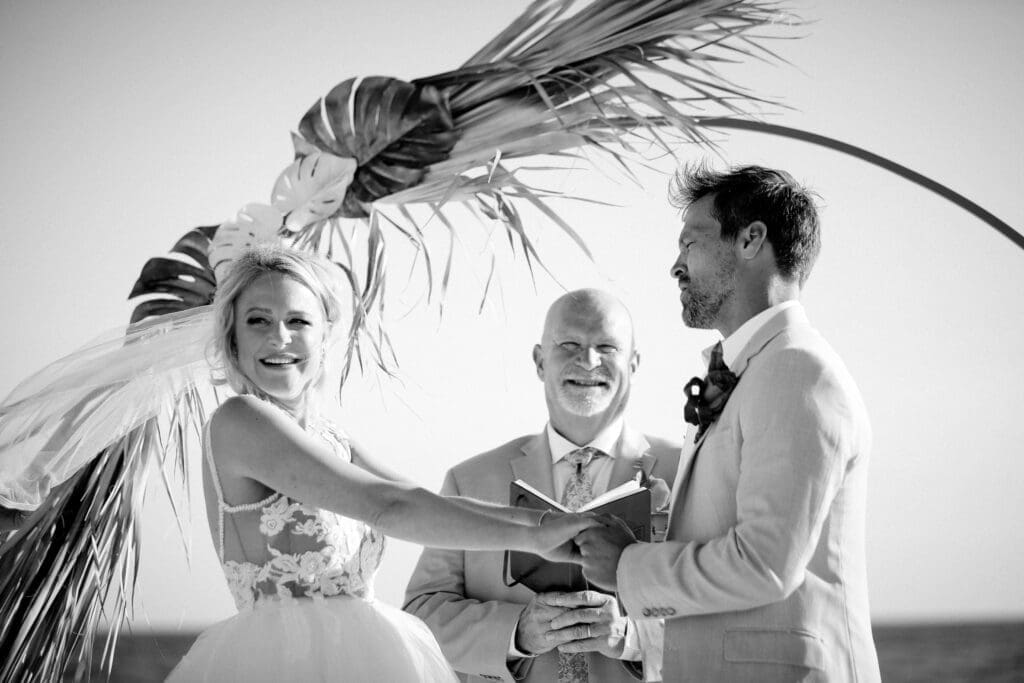
Start with the work. Not the price.
Before you look at packages, spend time inside full galleries. Not highlight reels. Not the twelve best images from a photographer’s career. Full wedding days, start to finish.
Anyone can curate twenty stunning images. What you’re actually evaluating is consistency — does the work hold up in a dim reception hall the same way it does during golden hour on the Vineyard? Does it feel as considered in January in the Berkshires as it does at a summer wedding in Newport?
Ask yourself: do these images make me feel something? Does the editing feel timeless or of-the-moment? Can I see real emotion, or does every frame look choreographed? Would I want to remember a day that looked like this?
You should be moved by the work before you ever get on a call.
Understand their approach — before you fall in love with their Instagram.
Every photographer has a philosophy. The way they move through a day, interact with couples, and decide what to capture shapes every image in your final gallery.
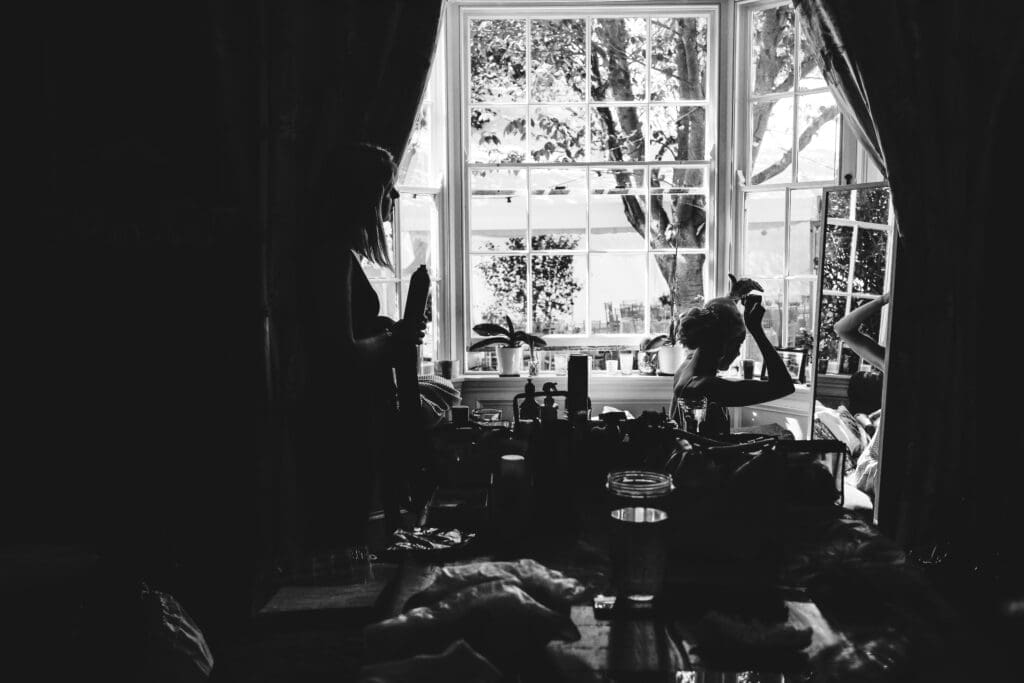
Fine art documentary photographers — like us at Big Shot Bun Company — prioritize real, unfolding moments over manufactured ones. We’re watching, anticipating, and moving quietly through your day. Other photographers are more directive, orchestrating poses and guiding every frame. Neither approach is wrong. But you need to know which one you’re hiring.
Ask directly: how would you describe your shooting style? How involved are you in directing us? What does a full wedding day look like for you? How do you handle low light or a difficult venue?
The answers tell you everything.
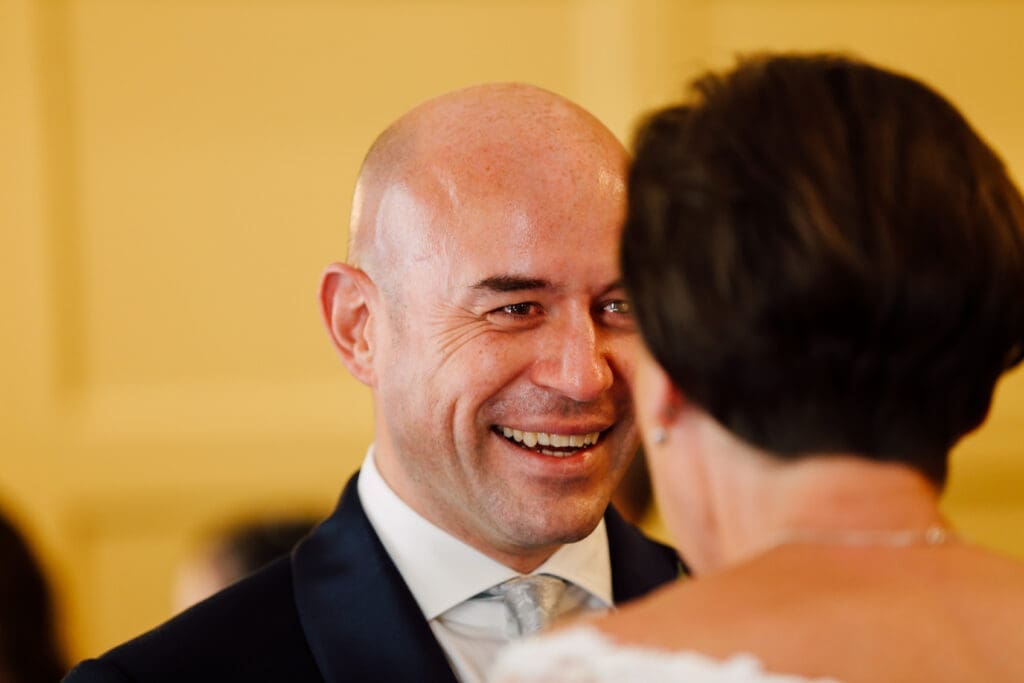
Look for experience — but ask the right questions about it.
Years in the industry matter. But relevant experience matters more. A photographer who has shot fifty corporate events isn’t the same as one who has spent years documenting some of New England’s most complex, emotional, and logistically demanding wedding days.
If you’re planning an intimate elopement on Nantucket, you want someone who understands how to tell a story with two people and an open landscape. If you’re planning a 200-person celebration at a Newport estate, you need someone who can move through controlled chaos without missing a single moment.
Ask specifically: How many weddings do you take on in a year? How do you creatively prepare for our wedding? What happens if there’s an emergency on our wedding day? Do you carry backup equipment on-site?
A truly experienced photographer will answer all of these without hesitation.
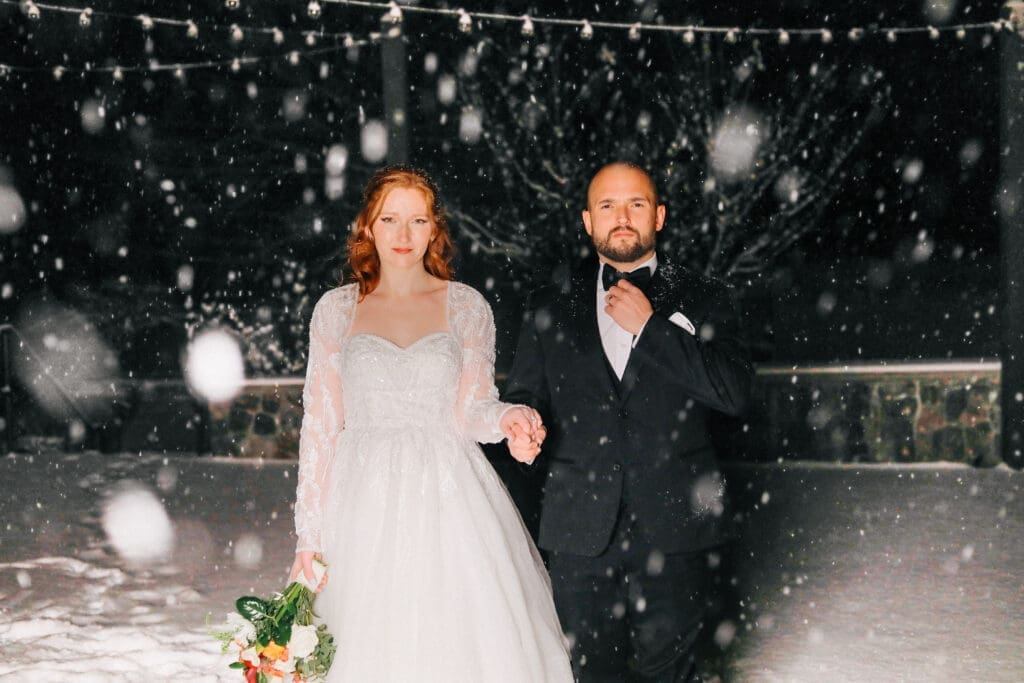
Pay attention to how they make you feel.
This is the one couples underestimate most — and the one that matters most.
Your photographer will be with you for eight to twelve hours on one of the most emotionally charged days of your life. They’ll be present for your first look, your vows, the moment your mother sees you for the first time. You will feel them in the room.
The right photographer makes you feel seen — not managed. You should leave your first conversation feeling genuinely excited, not just informed.
Chemistry isn’t a bonus. It’s a requirement.
If something feels off during your inquiry — if they seem distracted, dismissive of your vision, or purely transactional — trust that instinct completely.
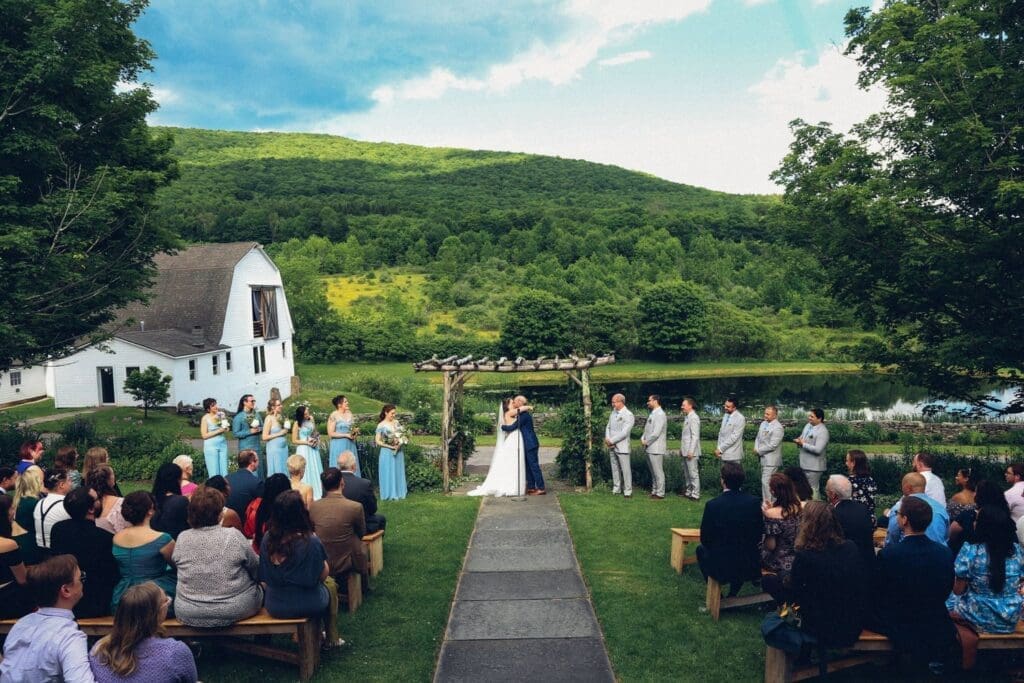
Understand what’s actually included — and how the package was built.
Some photographers offer tiered packages that are replicated for every couple, regardless of the details of the day. Others build bespoke collections tailored specifically to your vision, your venue, and the way you want the day to unfold. Neither is inherently wrong — but knowing which you’re getting matters.
Before you commit, make sure you have clear answers on coverage hours, whether a second shooter is included, how many final images to expect, your gallery delivery timeline, your printing rights, whether an engagement session is included, and the full payment and cancellation policy.
Also ask about venue fees and permits. Some of New England’s most sought-after locations — private estates on the Vineyard, historic properties in Newport, certain venues in the Berkshires and Hudson Valley — charge photography and videography fees that are separate from your photographer’s booking fee. A professional will flag this upfront and help you navigate every detail.
A note on budget. Wedding photography in the Boston and greater New England market typically ranges from $3,500 on the lower end to $10,000 and well beyond for experienced, sought-after teams. Couples who place a high value on imagery — who understand that the photographs are the only thing that remains when the day is over — often choose to financially prioritize it accordingly. When you’re working through your budget, it’s worth asking yourself honestly: where does this fall on your list? The answer should shape how you allocate.
On videography and content creation. If film matters to you — and we’d argue it should — consider early on whether you want it alongside photography. More importantly, consider how much the cohesion of your visual story matters. A wedding photographed in one aesthetic and filmed in another can feel disjointed in ways that are hard to articulate but easy to feel. If consistency across every medium is a priority, look for a team that offers photography, videography, and content creation under one roof. The difference in the final product is significant — and the experience of working with one unified creative vision rather than coordinating between multiple vendors is something couples consistently say they’d choose again.
There’s a practical case for it too. When you bundle services with a single vendor, additional offerings are typically priced as add-ons rather than standalone packages. A vendor covering your wedding day is already absorbing certain fixed costs — travel, time, equipment — regardless of how many services they’re providing. The best teams factor this in, which means bundling almost always works in your favor financially. You get a more cohesive product and, more often than not, better value.
As it happens, [we offer all three.] ←
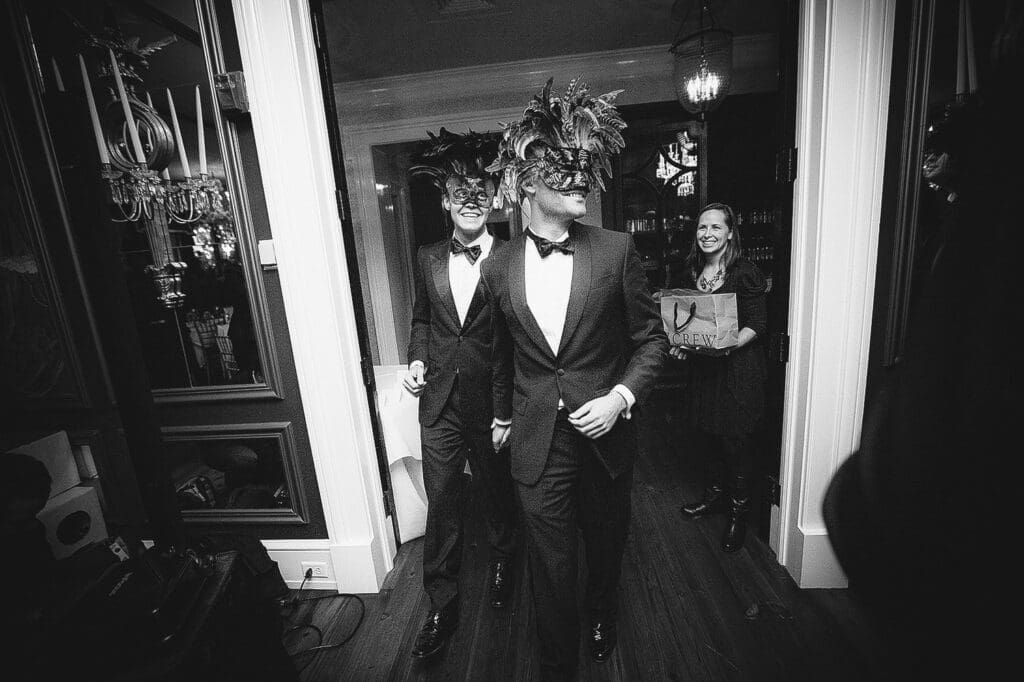
Know the red flags.
The wedding industry has no formal licensing requirements, which means the responsibility of vetting falls entirely on you. Here’s what to watch for: no full galleries available to view, vague or missing contracts, no emergency backup plan, prices significantly below market rate with no clear explanation, and slow or careless communication during the inquiry process.
That last one matters more than people realize. How a photographer handles your inquiry is a direct preview of how they’ll handle your wedding day.
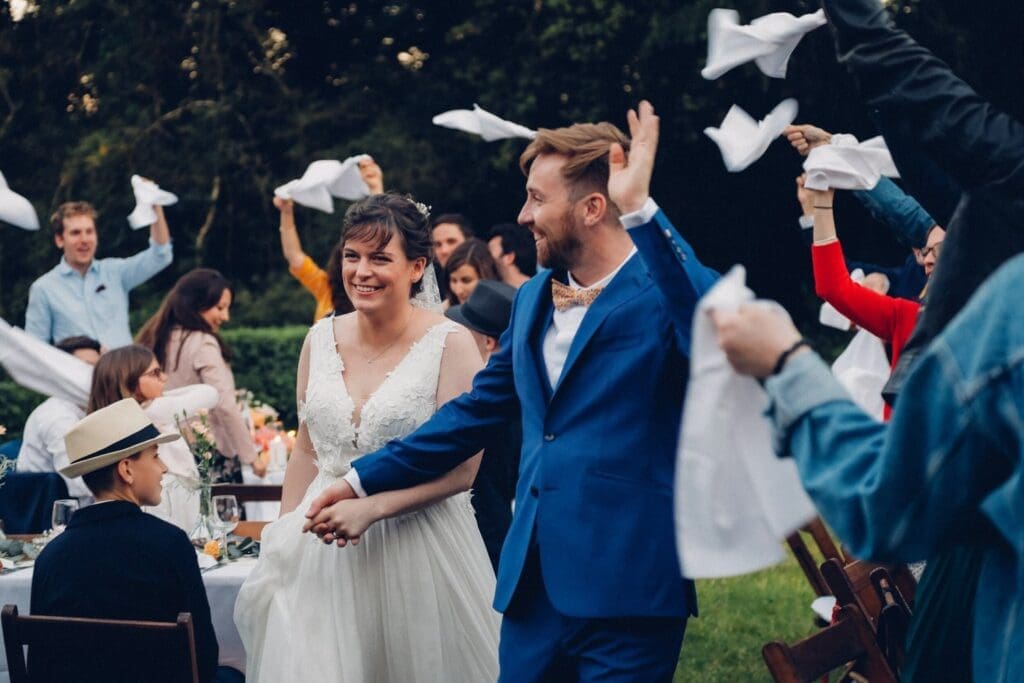
Think about the long game.
Editing trends come and go. Heavy presets, extreme filters, overly dark and desaturated palettes — they feel current for a moment and dated within a few years. When you’re reviewing work, ask yourself honestly: would these images still feel beautiful in twenty years?
The best wedding photography is quiet and confident. It doesn’t need to announce itself. It simply takes you back.
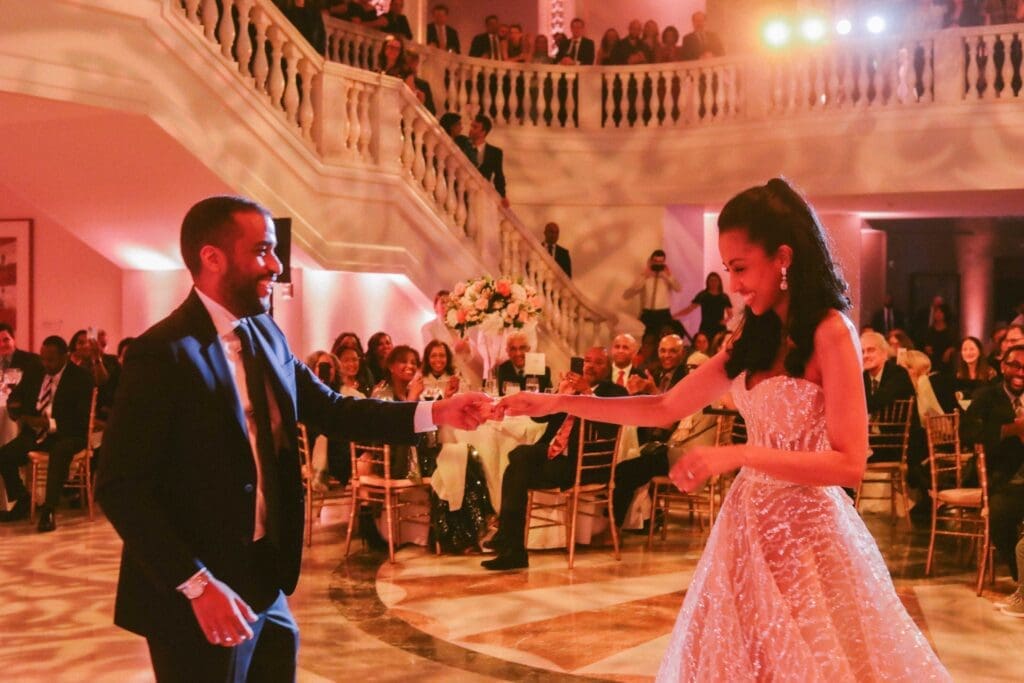
A final note from Big Shot Bun Company.
We built this guide because we believe informed couples make better decisions — and better decisions lead to photographs that last a lifetime.
With nearly two decades of experience telling love stories across Boston, the Islands, the coast of Rhode Island, the mountains of the Berkshires, and beyond — we know that no two days are the same. We work in a fine art documentary style, with an editorial eye and a genuine commitment to showing up for every moment. The ones everyone sees coming, and the ones nobody else thought to catch.
If any of this resonates, we’d love to talk about your day.