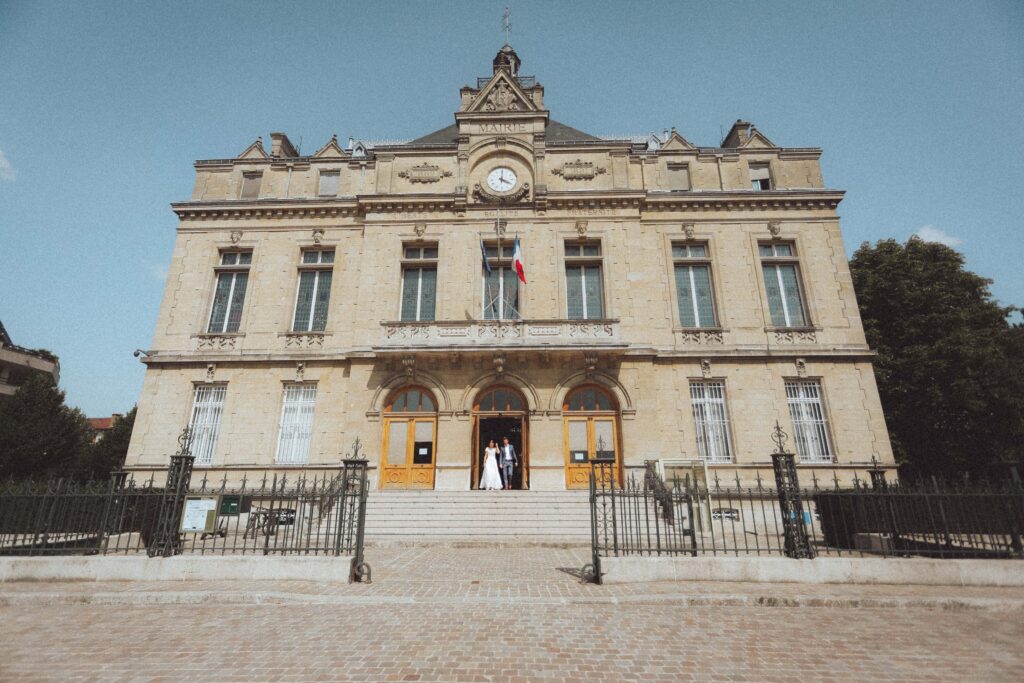
Real productions. Real environments.
Experience is often most visible in what never becomes a problem.
Weddings rarely unfold under perfect conditions. Weather changes, timelines contract, rooms are darker than expected, locations become inaccessible, and equipment is tested by heat, cold, rain, humidity, and long days.
Production readiness is the work that happens before a camera is raised: reviewing the location, the light, the schedule, the weather, the access, and the equipment needed to work reliably within those conditions.
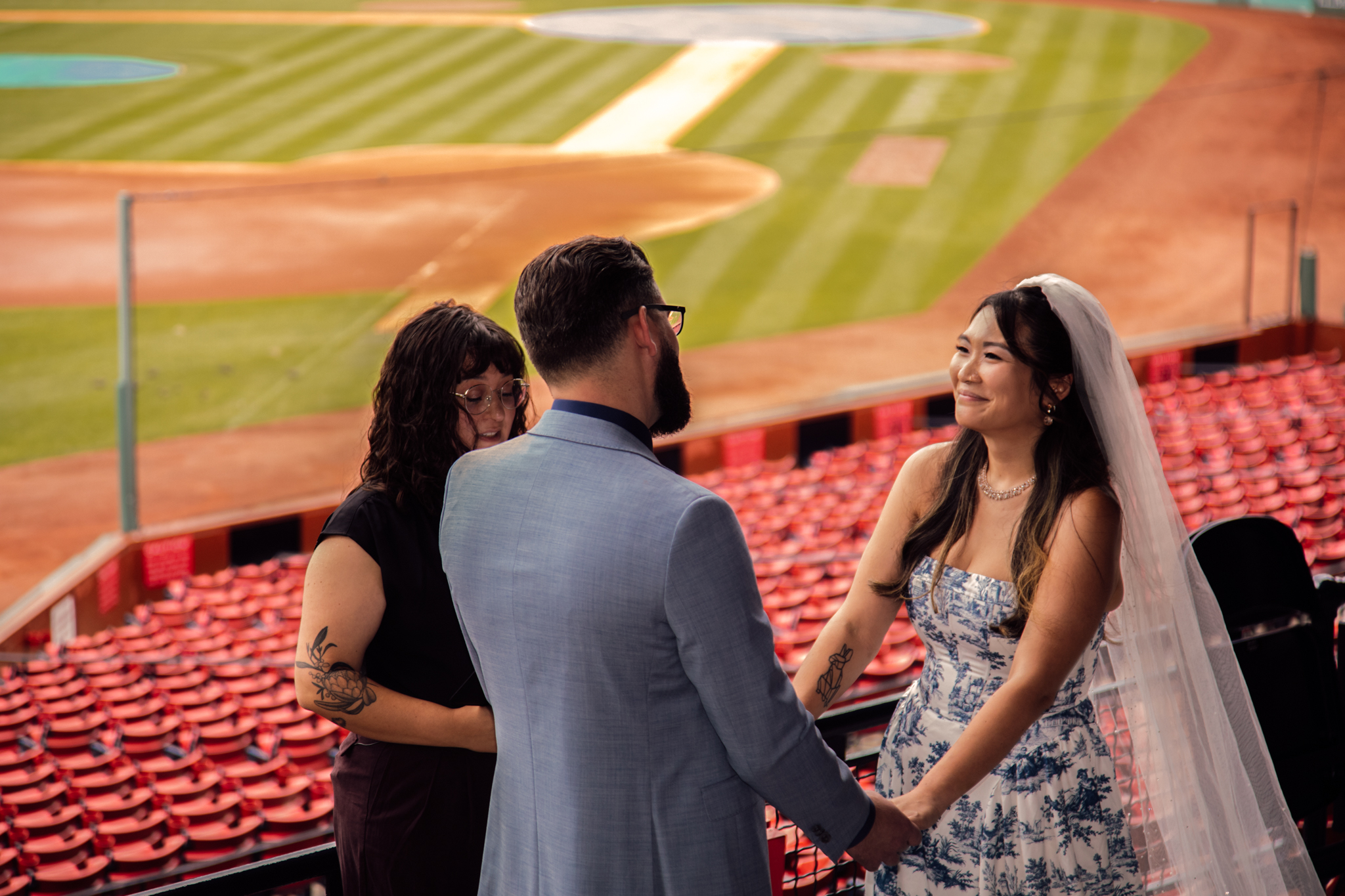
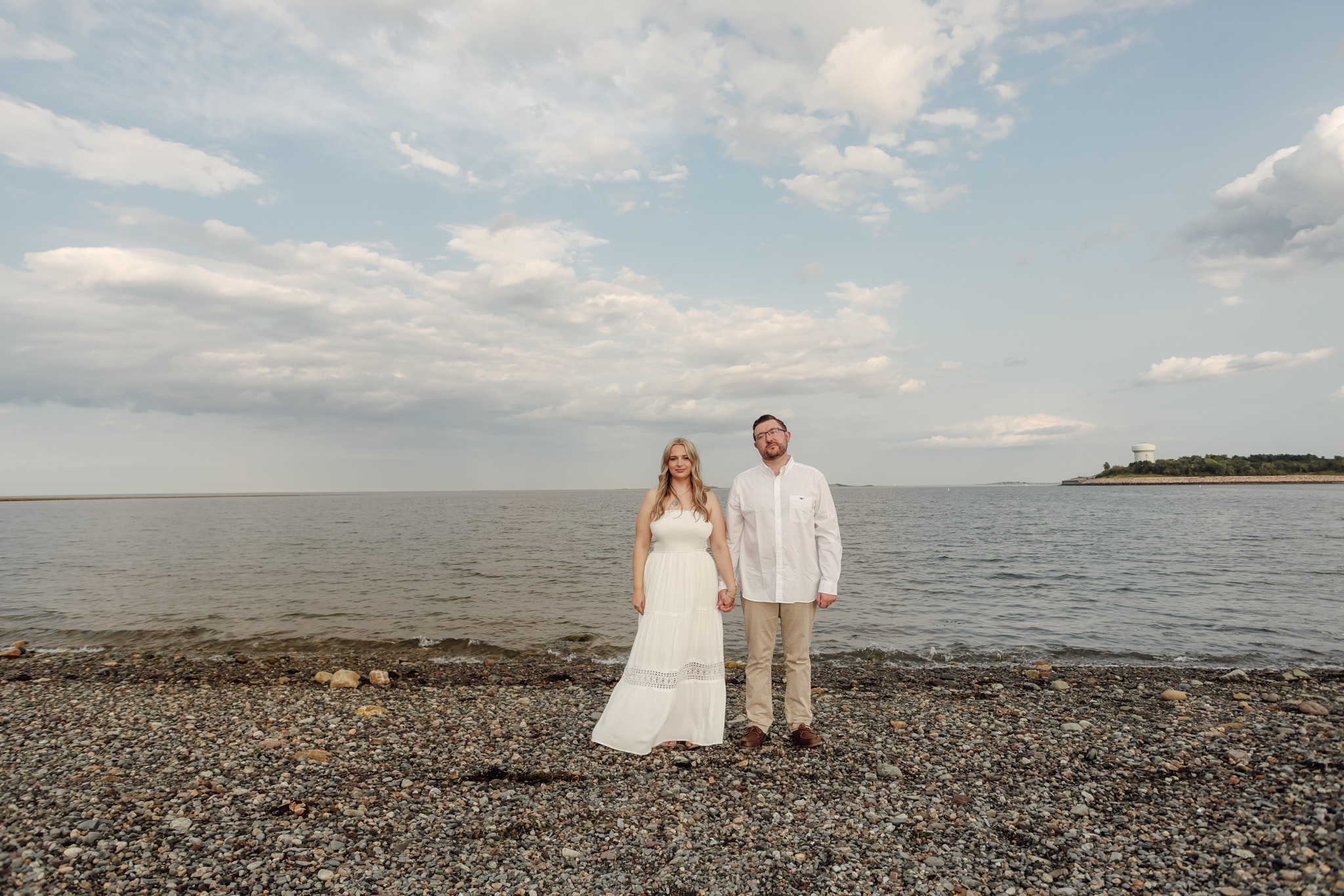
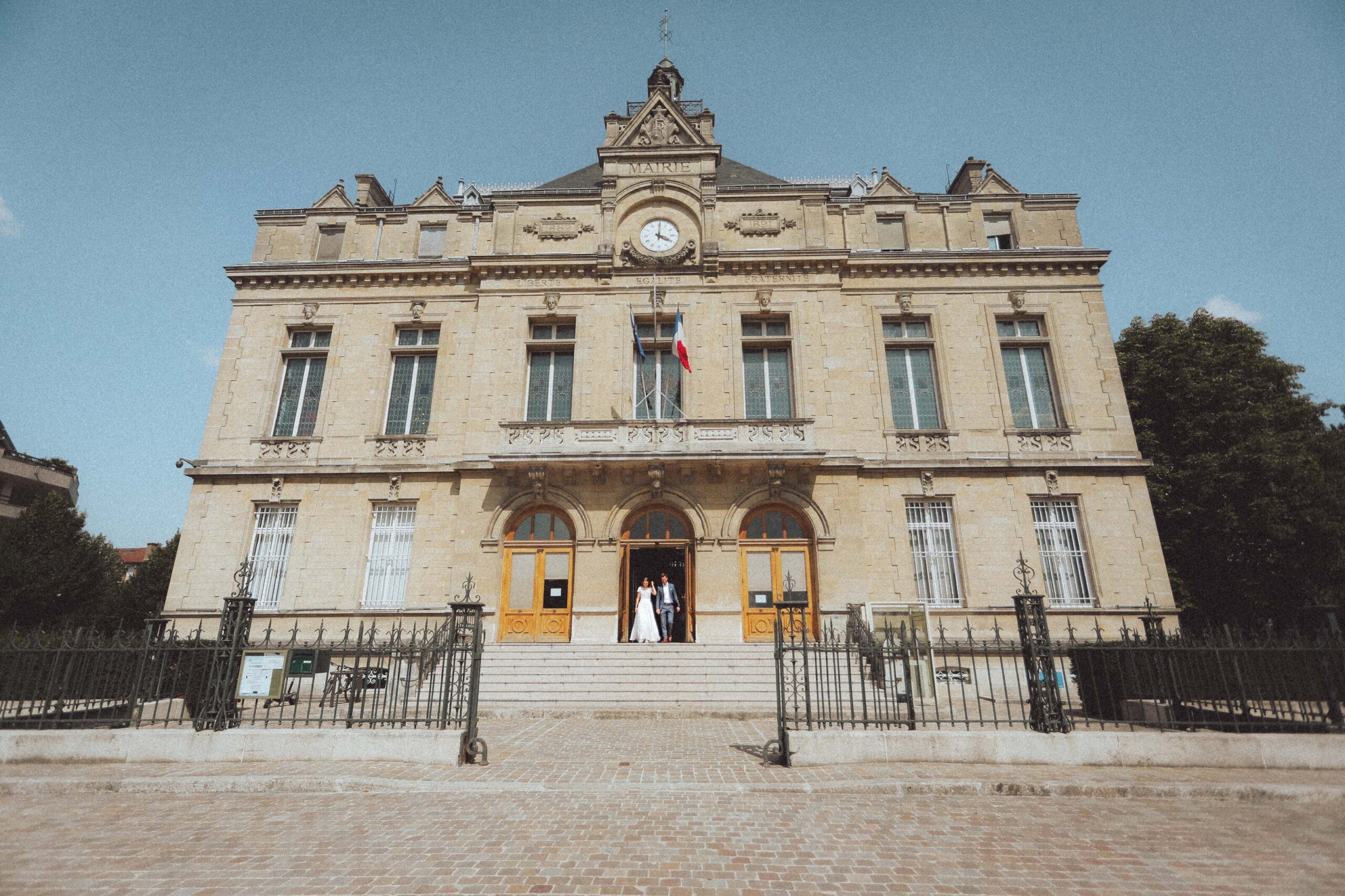
We have worked through record heat in Paris, severe cold in Atlanta, hurricane weather, a nor’easter at Fenway Park, and the arrival of a periodical cicada brood. The value of that experience is not the anecdote. It is the ability to respond without making the problem the couple’s responsibility.
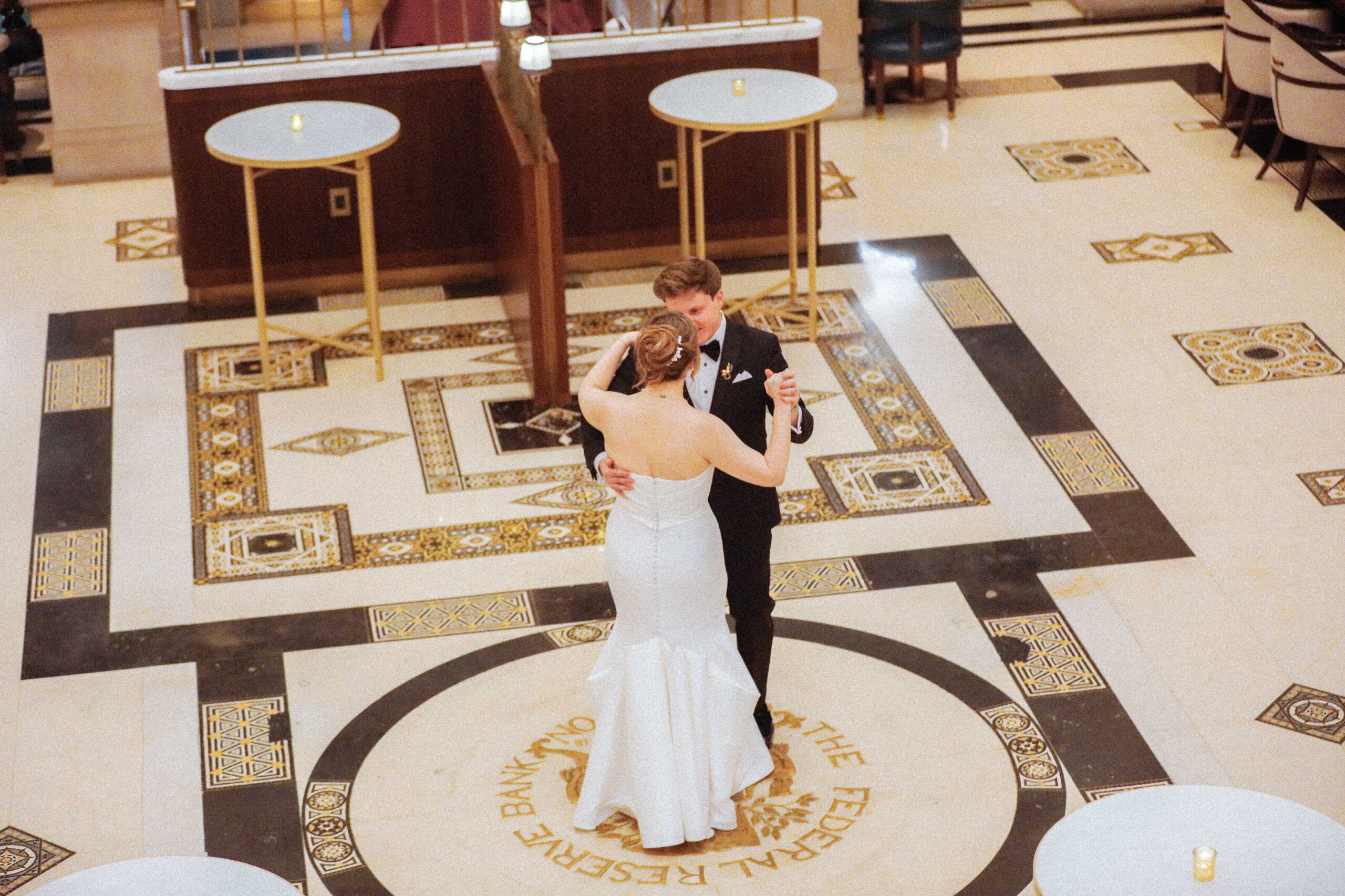
Every venue presents its own practical demands. Historic buildings may have limited light and restricted access. Mountain properties can involve changing weather and large distances between locations. City hotels bring elevators, loading restrictions, traffic, and competing events.
These details influence the schedule, equipment, portrait locations, audio, and the way we move through the day. We consider them in advance so the wedding itself can remain personal and uninterrupted.
Weather also requires more than a single backup plan.
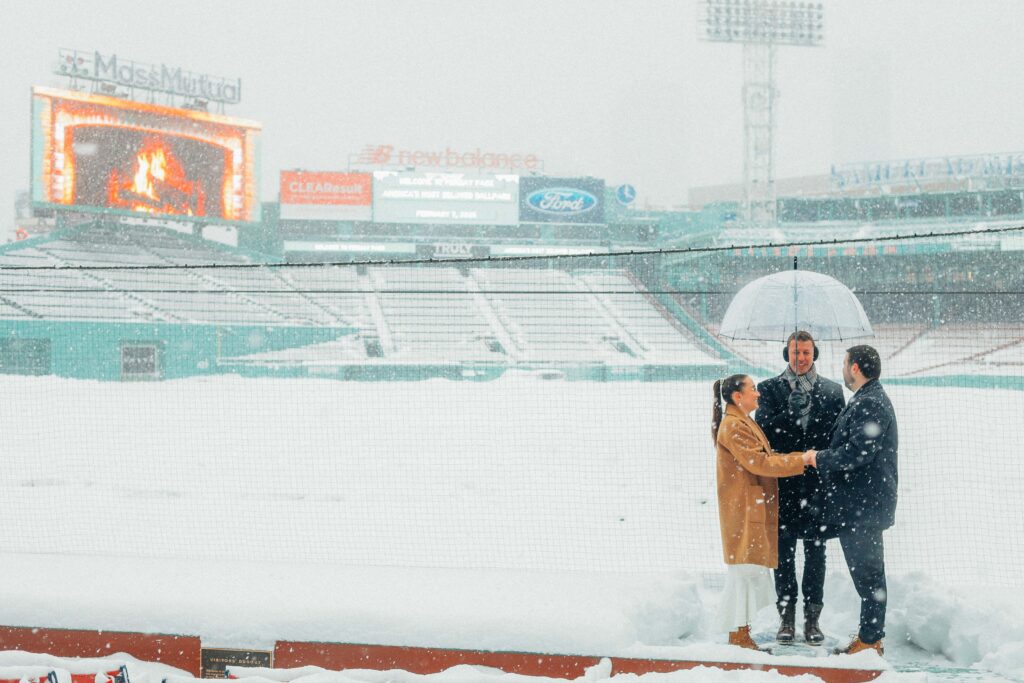
Rain, wind, heat, cold, humidity, snow, and intense sun each create different problems. Moving indoors is not always the strongest solution. Some interiors are beautiful; others are crowded, poorly lit, or unavailable at the necessary time.
A useful contingency plan considers how each space will actually photograph and how quickly it can be used without disrupting the day.
Equipment should solve problems quietly. Backup cameras, lenses, audio sources, batteries, and media matter because equipment can fail. The purpose of redundancy is not to create anxiety, but to prevent a technical issue from becoming part of the wedding.
The same restraint applies to the equipment used visibly. Large lighting setups and complicated rigs can be valuable, but they can also slow the day and alter the atmosphere of a room. The objective is not to display the scale of the production. It is to use exactly what the situation requires.
Difficult conditions do not necessarily weaken the final work. Rain can deepen color. Fog can simplify a landscape. Snow can change the light. Wind can introduce movement.
The judgment lies in knowing how to use those conditions without asking people to endure them unnecessarily. Five carefully managed minutes outside may produce more than thirty uncomfortable ones.
Timelines change too. Hair and makeup runs late, transportation is delayed, rooms are not ready, speeches are added, and portrait locations become unavailable.
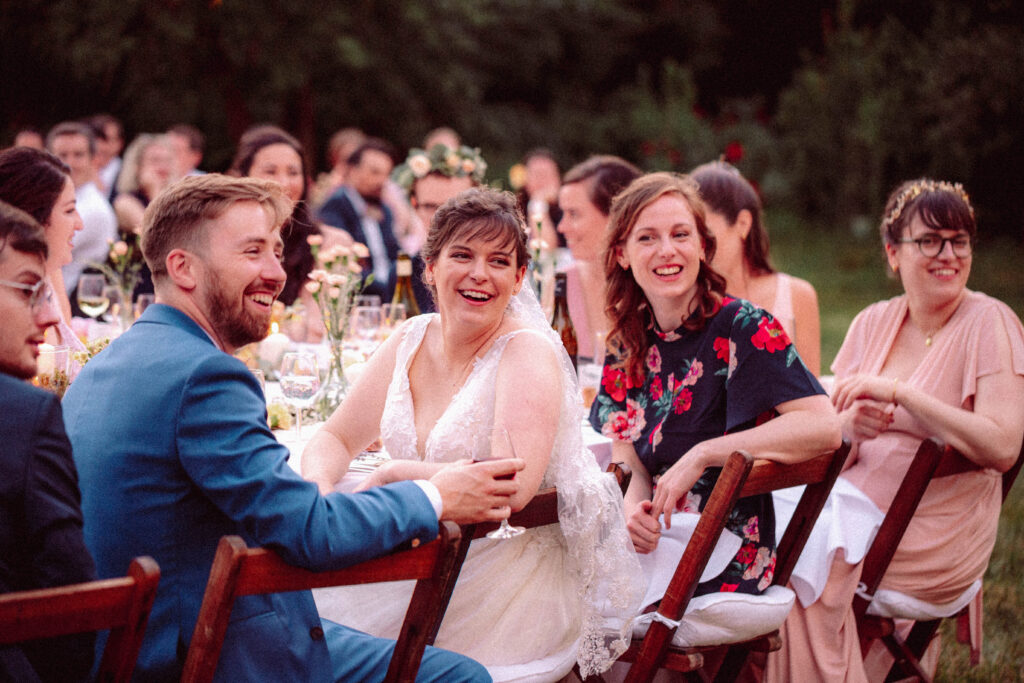
A resilient plan allows for this. It identifies what is essential, what can move, what can be shortened, and what can be achieved another way.
Couples should not need to manage the production team. They should not be asked to solve equipment problems, interpret the weather, or locate alternatives when plans change.
The preparation may never be visible in the finished photographs and films.
That is the point.
What remains should be the people, the place, the weather, and the character of the day—not the problems that were quietly prevented from becoming part of it.
Preparation rarely appears in the final photographs. It appears in the experience of the day.
If you’re planning a wedding where thoughtful preparation matters as much as the finished work, we’d love to hear about it.