A wedding venue does more than provide a room for the ceremony and reception. It establishes the setting for the entire celebration—from the first arrivals to the final hours of the evening.
Architecture, interiors, hospitality, and the way guests move through a property all influence the character of the wedding. For couples considering a hotel, the appeal is not simply a ballroom or an impressive view. It is the ability to bring the weekend together within one carefully considered setting.
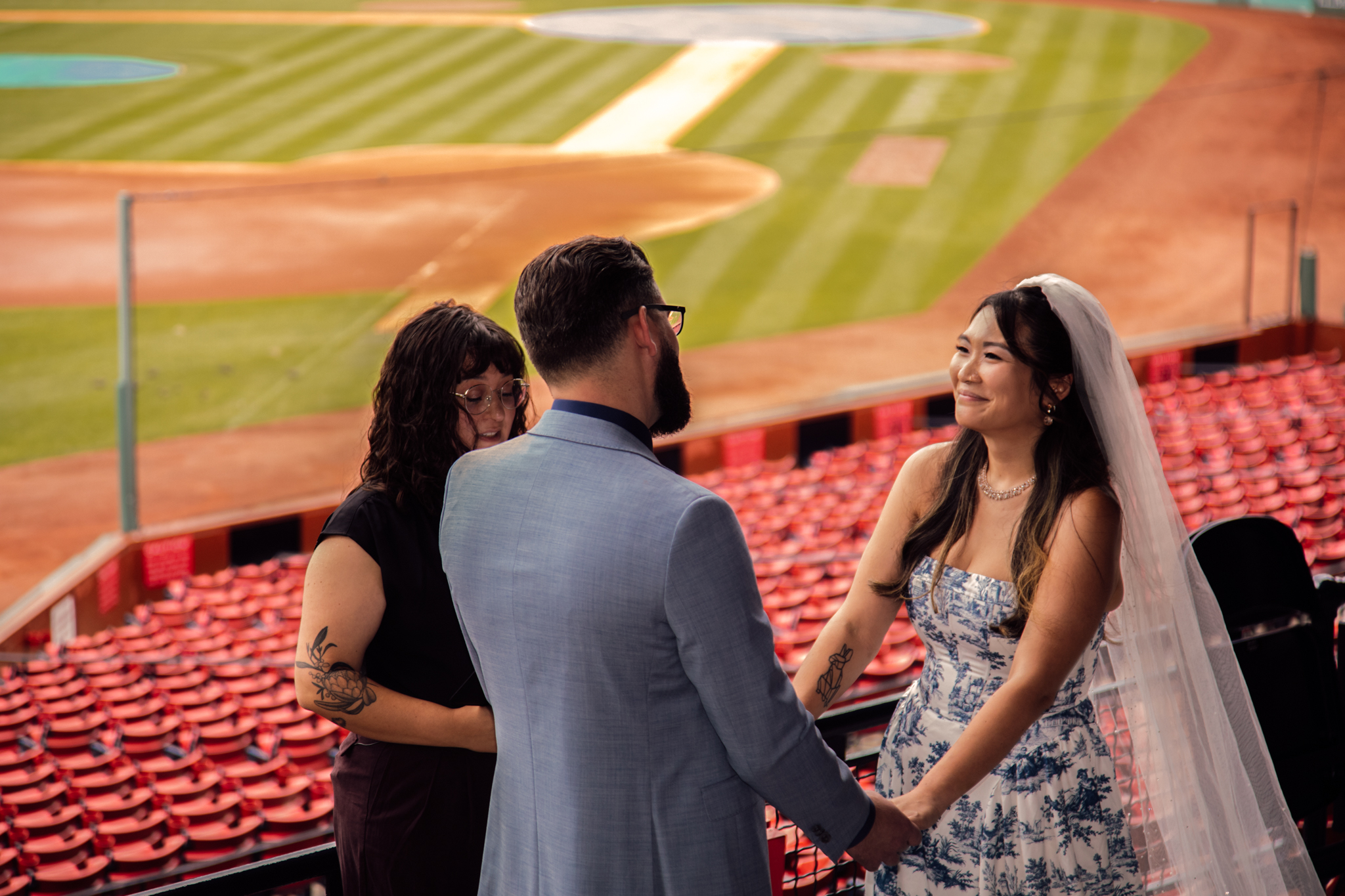
At Big Shot Bun Company, we photograph and film weddings in historic estates, museums, private residences, resorts, and destinations across the United States and abroad. Each offers something different. Hotels are distinctive because they combine visual variety with the practical structure required to host a large gathering well.
Architecture That Shapes the Wedding
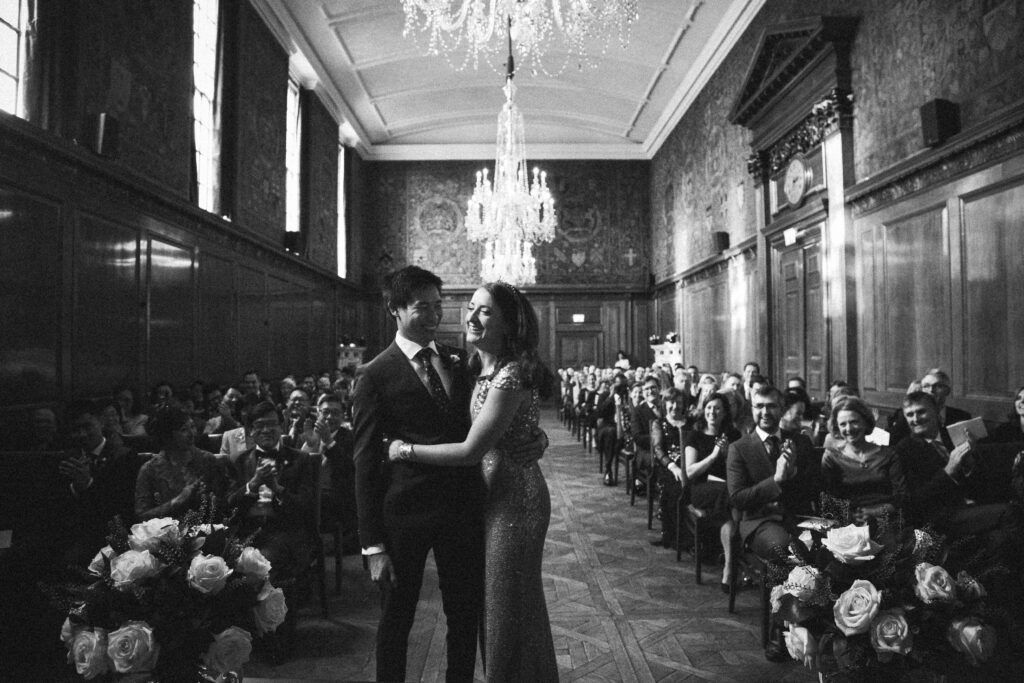
The strongest venues give a wedding a recognizable visual identity.
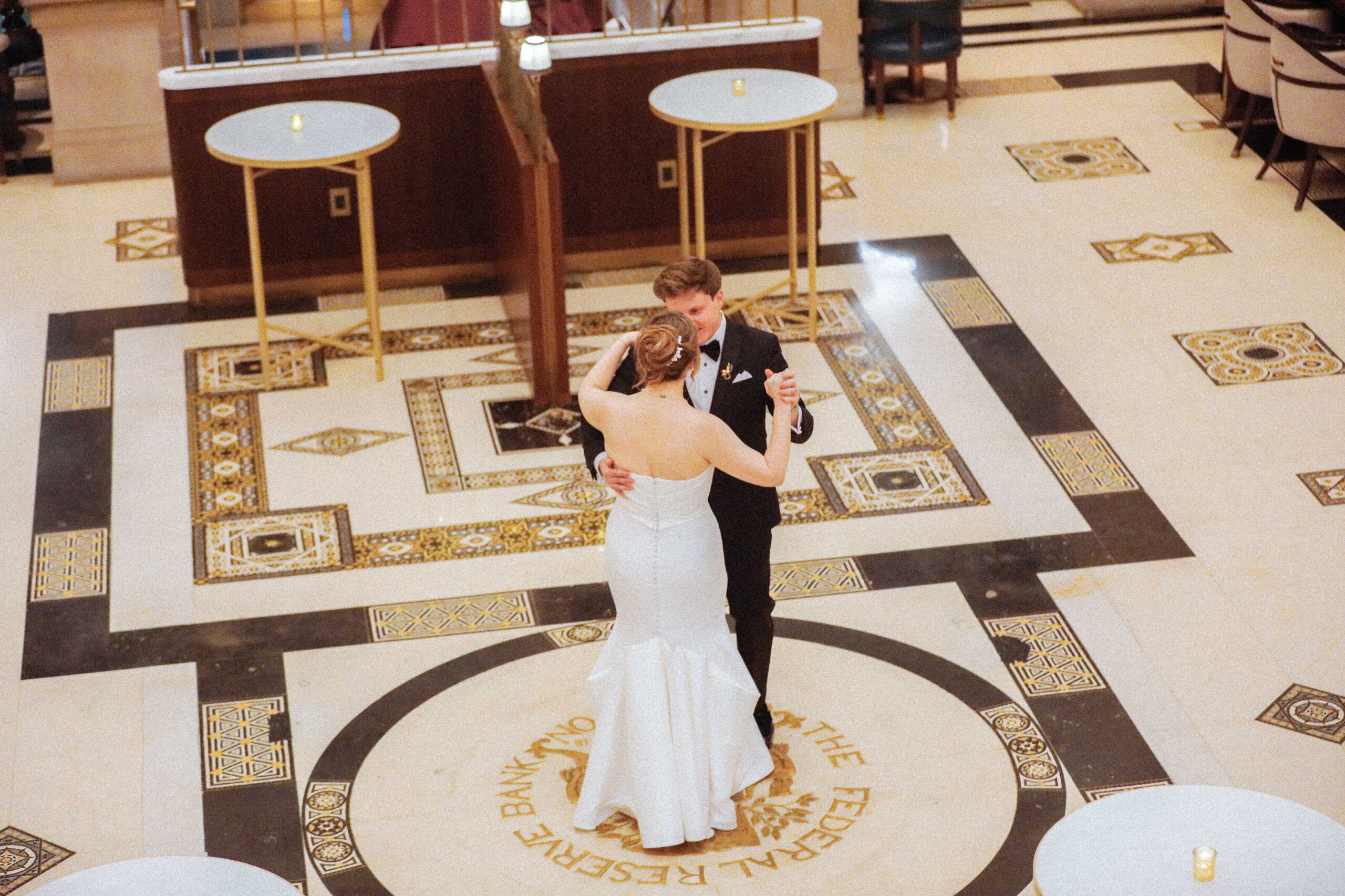
Hotels often provide several distinct environments within one property: private suites, formal entrances, lounges, staircases, terraces, dining rooms, and reception spaces. These shifts in scale and design create variety without requiring the wedding party to travel between unrelated locations.
At The Langham, Boston, historic architecture is balanced by contemporary interiors in the center of the city. At The Ned London, the scale and character of the building remain present throughout the day, from preparations to the evening celebration. In the heart of Piccadilly Circus, The Dilly offers a distinctly London setting, combining historic surroundings with elegant interiors and the energy of one of the city’s most recognizable neighborhoods.
The venue is not simply a background. It becomes part of how the wedding is seen and remembered.
A Weekend Held in One Place
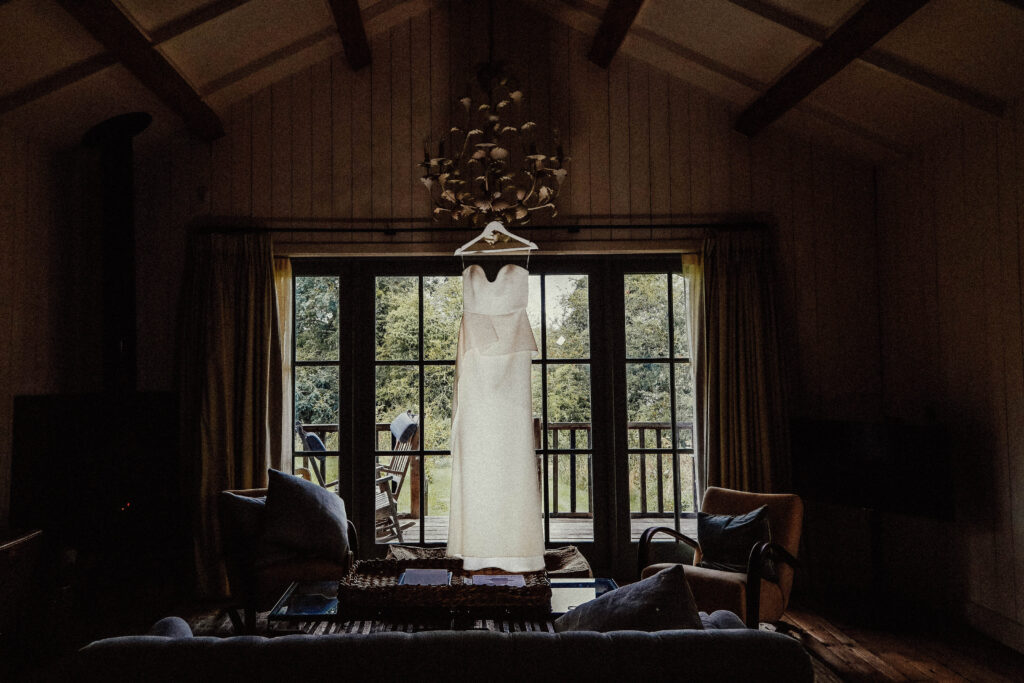
A hotel can create continuity across more than the wedding day itself.
Guests can arrive, meet for drinks, attend a welcome dinner, prepare for the ceremony, and gather again the following morning without repeatedly crossing a city or arranging additional transportation.
Properties such as Soho Farmhouse and Hotel Bardo Savannah extend the setting beyond the ceremony and reception. Guests spend time within the property, allowing the weekend to feel like a complete gathering rather than a sequence of separate appointments.
That continuity also changes the photographs and film. More of the weekend can unfold naturally because the people, spaces, and events remain connected.
Spaces Designed for Movement
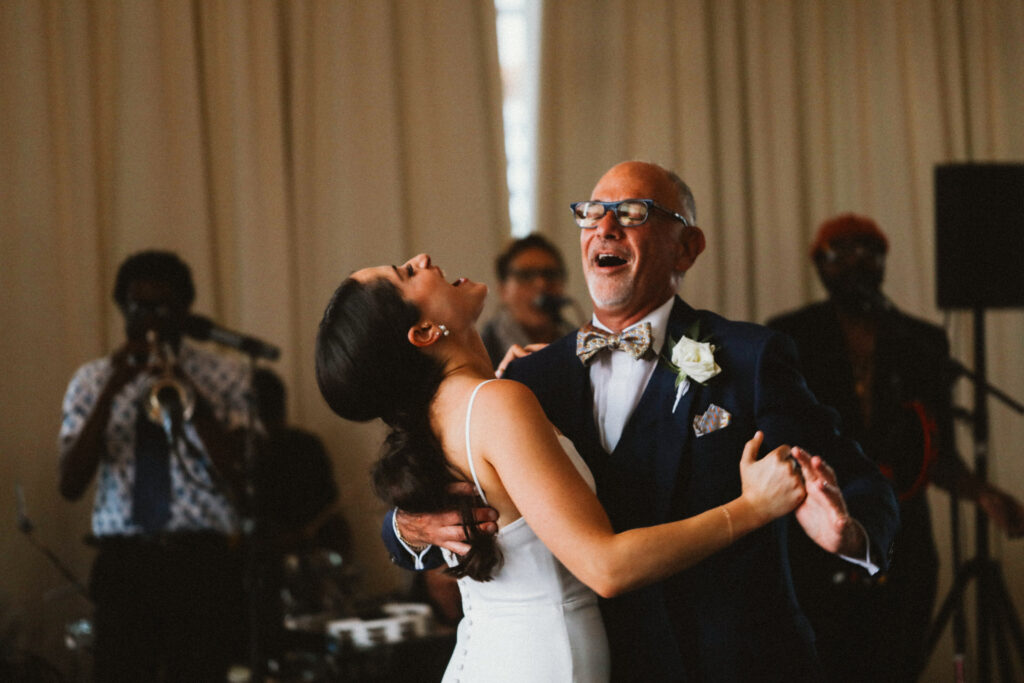
A wedding is built from transitions.
Preparations give way to the ceremony. Guests move into cocktails, then dinner, speeches, and dancing. Hotels are particularly suited to this rhythm because their spaces are already designed to accommodate movement, service, and changing levels of formality.
A private suite may provide a quiet setting early in the day. A staircase or corridor can become a portrait location. A terrace may host cocktails before guests move into a dining room or ballroom.
The result is variety without the visual disruption of constantly leaving the property.
Hospitality Behind the Scenes
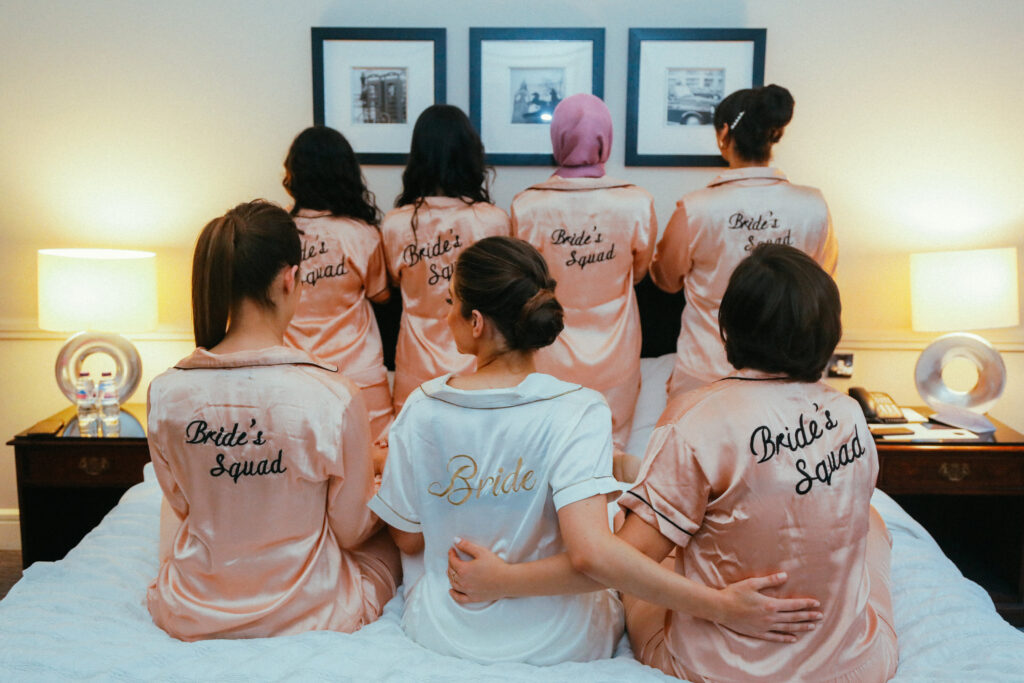
Much of what makes a wedding run well is deliberately unobtrusive.
Rooms are turned over. Guests are directed. Meals arrive on schedule. Suppliers gain access without interrupting the celebration. When these elements are handled well, they are barely noticed.
Hotels are built around this kind of coordination. Their teams understand room transitions, guest movement, service timing, and the demands of hosting several parts of an event within one property.
That structure allows us to concentrate on the photographs, films, and vertical reels without becoming involved in problems that should have been resolved elsewhere.
A Destination Without Fragmented Logistics
For destination weddings, a hotel can provide a sense of escape while keeping the practical details connected.
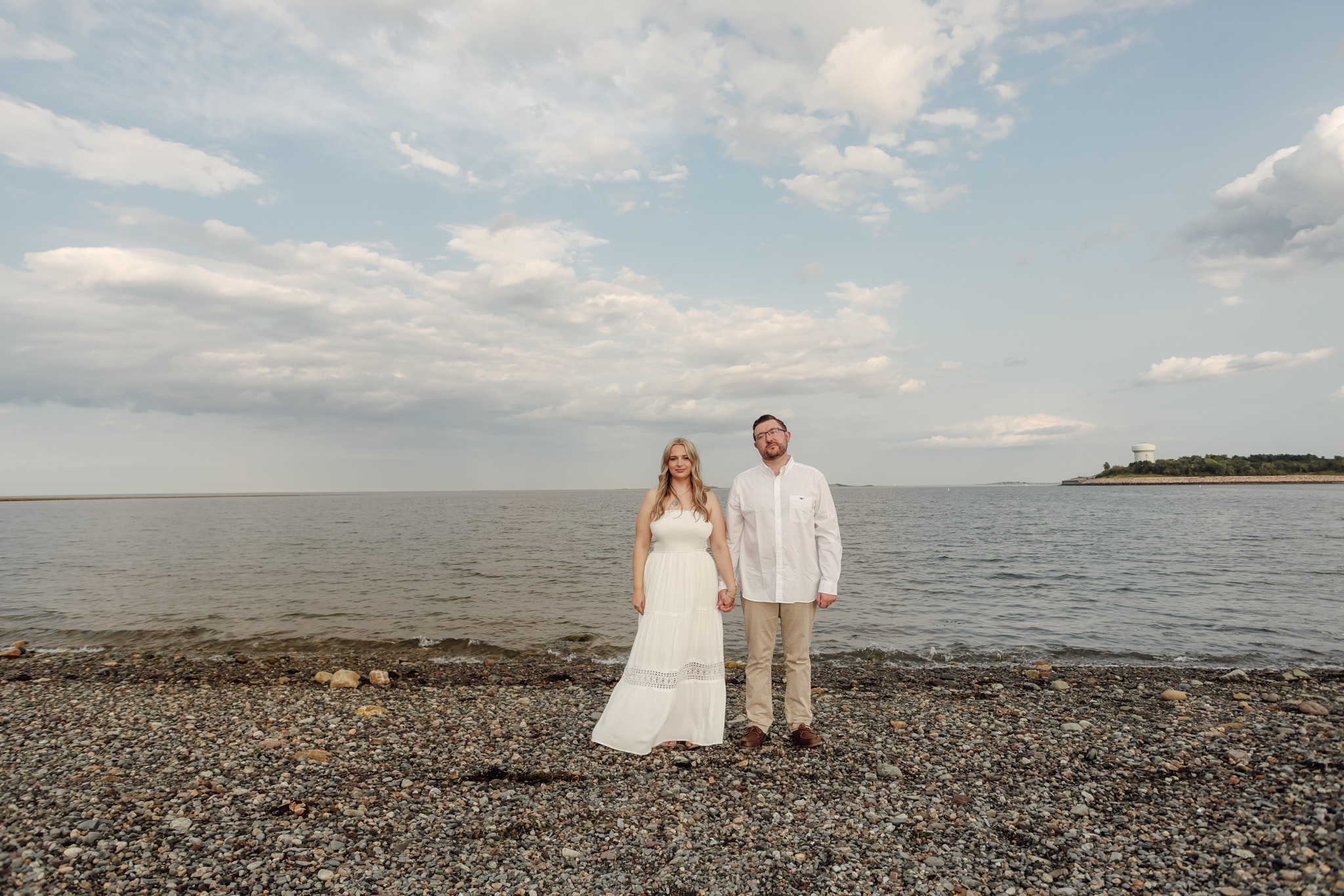
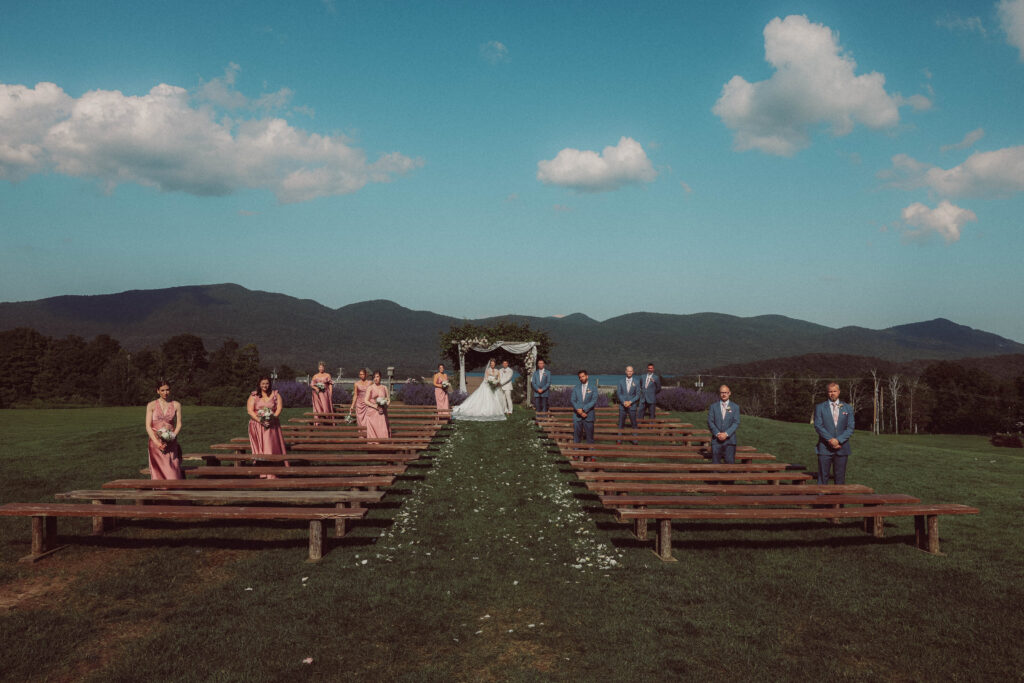
The setting may be a vineyard, a mountain landscape, a coastal property, or a historic city building. Estate Yountville, Mountain Top Inn & Resort, Perry Lane Hotel, and properties such as The Dilly in London each create a very different environment, but all allow accommodation and celebration to exist within the same wider setting.
This matters for guests, but it also shapes the wedding visually. The landscape, architecture, interiors, and social life of the property become part of the final body of work.
Choosing the Right Setting
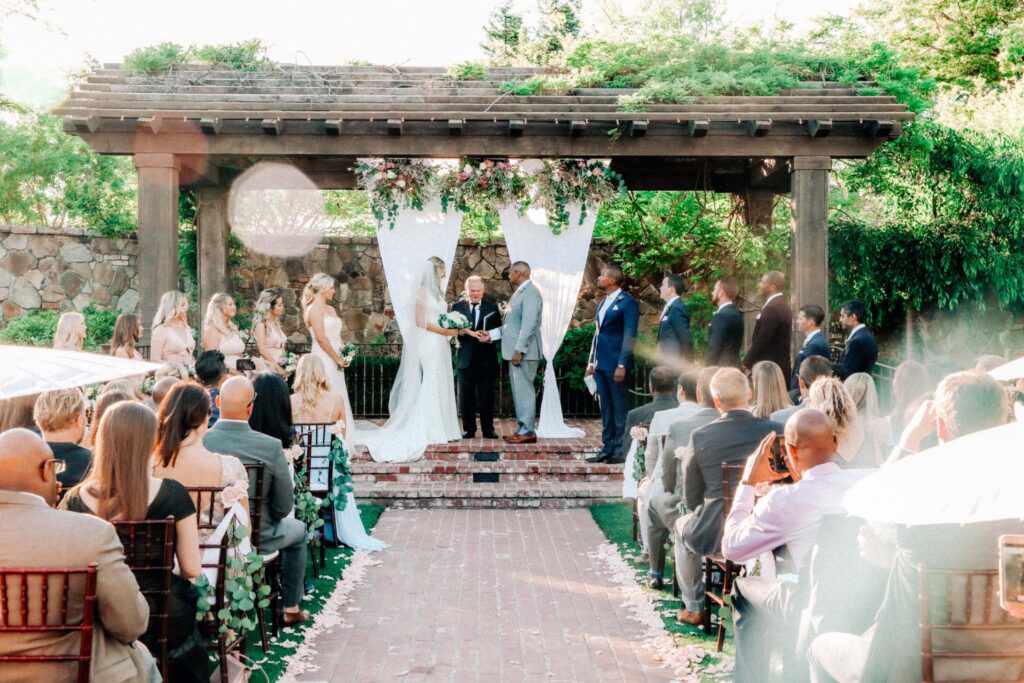
Hotels are not the right choice for every wedding. Some couples will be drawn to private estates, museums, historic houses, or outdoor landscapes.
For those who want architecture, hospitality, accommodation, and several distinct spaces within one property, a hotel offers a particularly complete foundation.
The most successful hotel weddings are not defined by the category alone. They are shaped by the specific building, the quality of its service, and the way the property supports the kind of gathering the couple wants to create.
At Big Shot Bun Company, we photograph and film each venue as part of the wedding itself—considering its architecture, movement, landscape, and the way people inhabit it throughout the day.
Explore Wedding Photography and Films
View weddings photographed and filmed across New England, the United States, and destinations around the world.